

Belswains Primary School
Special Educational Needs and Disabilities
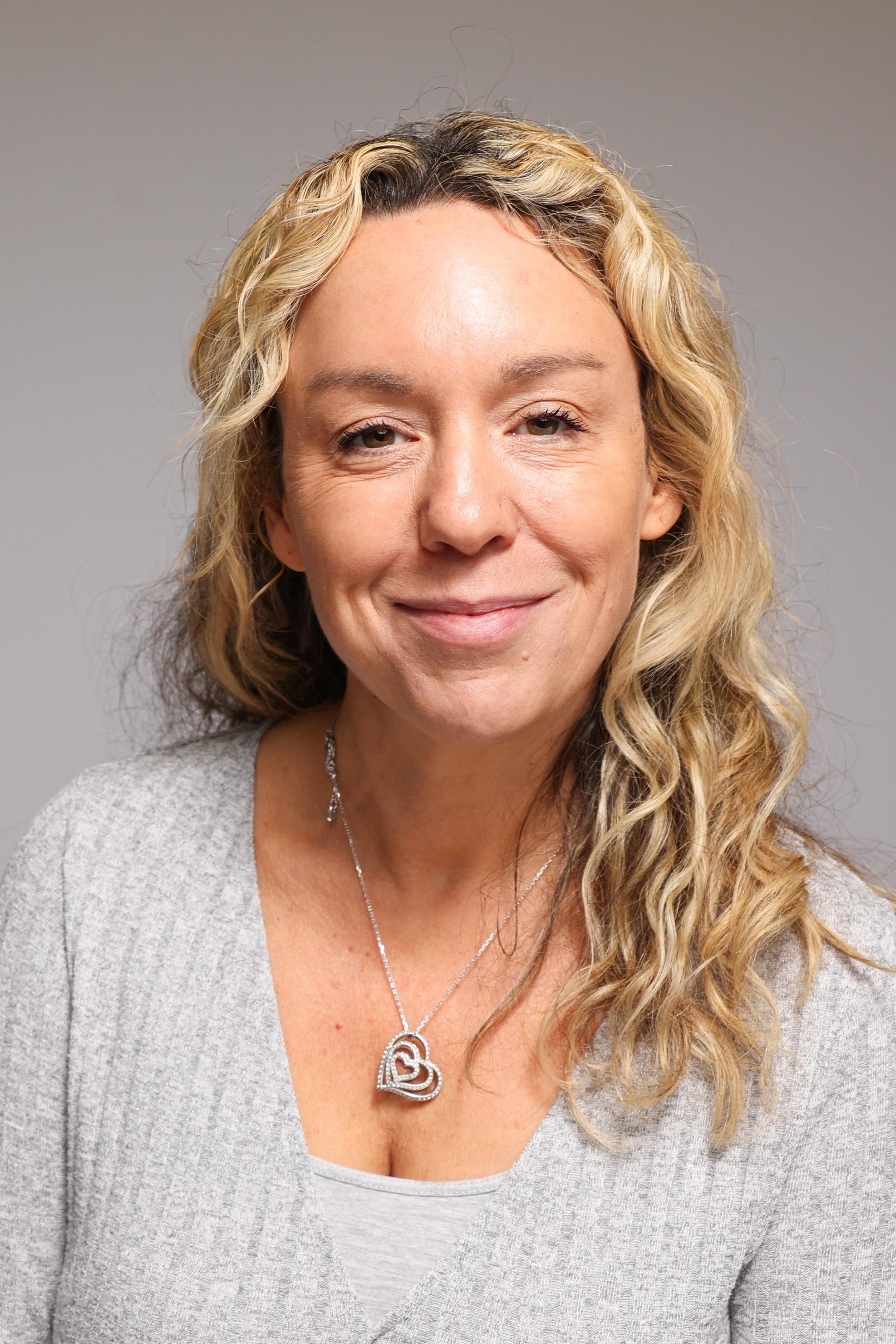
At Belswains Primary School are proud to be an inclusive community that welcomes, supports and celebrates all pupils with Special Educational Needs and Disabilities. Mrs Jones, our Special Educational Needs Co-ordinator supports parents/carers and ensures that all children achieve their full potential. We believe in creating inclusive environments which allow children to thrive through a range of universal, targeted and specialist strategies and support.
Advice Lines


USEFUL WEBSITES
FREQUENTLY ASKED QUESTIONS
How does Belswains Primary School identify children with emerging additional needs?
Children are identified as having Special Educational Needs and Disabilities (SEND) through a number of different ways, including:
- Concerns raised by parents/carers, teacher or other staff working with the child or from the child themselves
- Limited progress is being made over time with no other known cause
- Assessment and observation of specific areas of learning or behaviour
- Liaison with previous setting e.g. nursery, pre-school, previous school
- Health diagnosis from pediatrician or other relevant medical professional
- Liaison with other professionals e.g. educational psychologist, advisory teacher/specialist
Where a pupil shows significantly slower progress than that of their peers or fails to match previous rates of progress, despite high quality teaching and specific, targeted intervention then that pupil may have SEND. You will be included in all discussions regarding your child. Collaboration between home and school is at the core of supporting with with possible SEND.
What should I do if I have concerns about my child?
If you have any concerns about your child's learning, development or wellbeing, please speak to your child's class teacher in the first instance.
The class teacher knows your child best and will discuss your concerns with you. If further support is needed, they will involve Mrs Jones (SENCo and Assistant Headteacher) to ensure appropriate advice, assessment and support are put in place.
We encourage parents to share concerns as early as possible so that we can work together to support your child.
How will my child be supported if they are identified as having SEND?
When children join Nursery or Reception, they are assessed across all areas of learning to establish their starting points. If your child joins Belswains later in their education, we will liaise closely with their previous setting to ensure a smooth transition and a thorough handover of information.
Throughout their time at Belswains, your child's progress and attainment are regularly monitored through teacher assessment, observations and ongoing discussions with parents and carers.
If additional support is needed, we will work collaboratively with you to plan the most appropriate provision, following the Graduated Approach (Assess, Plan, Do, Review) and our Waves of Intervention model. Support may include:
- High-quality classroom teaching with appropriate adaptations.
- Small group or individual interventions.
- Advice and support from external professionals where appropriate.
- Individual targets that are regularly reviewed with parents and carers.
Our aim is to ensure every child is supported to achieve their full potential and feels happy, confident and successful at school.
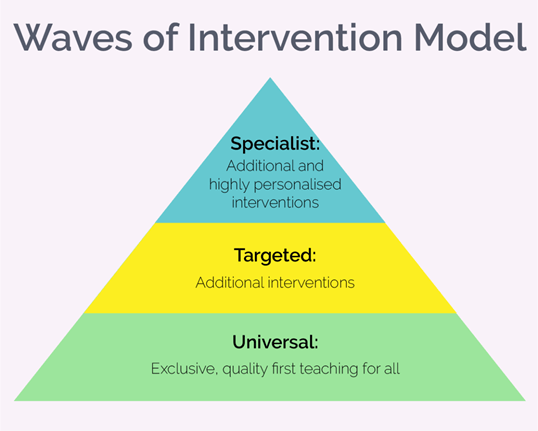
What is Quality First Teaching?
Quality First Teaching (QFT) is the high-quality teaching and learning that every child receives in the classroom every day. It includes effective teaching strategies, appropriate adaptations and an inclusive learning environment that enables all pupils to access the curriculum and make progress.
Quality First Teaching may include:
- Adapting teaching to meet individual learning needs.
- Using visual resources, practical activities and clear instructions.
- Providing scaffolding and targeted questioning.
- Creating a calm, structured and inclusive classroom environment.
- Regular assessment to identify and address any barriers to learning.
How will I know how my child is doing?
We value regular communication with parents and carers and will keep you informed about your child's progress throughout the year.
You will receive updates through:
- Parents' Evenings.
- End-of-year reports.
- Meetings with your child's class teacher.
- SEND review meetings where appropriate.
- Telephone calls or emails to discuss progress or any concerns.
- Meetings with Mrs Jones (SENCo and Assistant Headteacher) when additional support is being planned or reviewed.
Children receiving SEND Support have their progress reviewed using the Assess, Plan, Do, Review process. We will always discuss progress, celebrate successes and agree
How is the teaching and learning provision matched to my child’s needs?
At Belswains Primary School, we believe that every child should receive teaching that is appropriately challenging, engaging and tailored to their individual needs. For most children, this support is provided through high-quality classroom teaching and carefully planned adaptations within their usual learning environment.
Where a child requires additional support, this may include:
- Advice and guidance from external professionals, such as Educational Psychologists, Speech and Language Therapists, Occupational Therapists or Specialist Advisory Teachers.
- Additional adult support within the classroom or through small group or individual interventions.
- Adapted teaching strategies, including pre-teaching key vocabulary, additional processing time, visual supports and scaffolded learning.
- The use of specialist resources or assistive technology (ICT) to support learning and independence.
- Adaptations to the learning environment to reduce barriers and enable pupils to access the curriculum successfully.
- Specialist equipment where appropriate, such as writing aids, pencil grips, sloping boards, ergonomic cutlery or sensory resources.
Any additional provision is carefully planned around each child's individual needs and is regularly reviewed to ensure it is having a positive impact on their progress, wellbeing and independence.
It reads well, but it could be made warmer, more parent-friendly and aligned with current SEND terminology. Here's an improved version for your website:
How does Belswains Primary School identify children with emerging additional needs?
Children may be identified as having Special Educational Needs and Disabilities (SEND) in a number of ways, including:
- Concerns raised by parents/carers, class teachers, other members of staff or the child themselves.
- Limited progress over time despite receiving high-quality teaching.
- Ongoing assessment and observations of learning, communication, behaviour or social and emotional development.
- Information shared by a previous nursery, pre-school or school.
- A medical diagnosis or advice from a paediatrician or other healthcare professional.
- Assessments and recommendations from external professionals, such as an Educational Psychologist, Specialist Advisory Teacher or Speech and Language Therapist.
If a child is making significantly slower progress than their peers, or is not making expected progress despite targeted support and quality first teaching, we will investigate whether they may have SEND.
Parents and carers are involved throughout this process. We believe that working in partnership with families is the key to ensuring every child receives the right support at the right time.
What should I do if I have concerns about my child?
If you have any concerns about your child's learning, development or wellbeing, please speak to your child's class teacher in the first instance.
Your child's class teacher knows them best and will discuss your concerns with you. If further support is needed, they will work alongside Mrs Nicola Jones (SENCo and Assistant Headteacher) to ensure the appropriate advice, assessments and support are put in place.
We encourage parents and carers to share any concerns as early as possible. By working together, we can identify any barriers to learning and ensure your child receives the support they need to thrive both academically and emotionally.
How will my child be supported if they are identified as having SEND?
When children join Nursery or Reception, they are assessed across all areas of learning to establish their starting points. If your child joins Belswains later in their education, we will liaise closely with their previous setting to ensure a smooth transition and a thorough handover of information.
Throughout their time at Belswains, your child's progress and attainment are regularly monitored through teacher assessment, observations and ongoing discussions with parents and carers.
If additional support is needed, we will work collaboratively with you to plan the most appropriate provision, following our Graduated Approach (Assess, Plan, Do, Review) and our Waves of Intervention model. Support may include:
- High-quality classroom teaching with appropriate adaptations.
- Small group or individual interventions.
- Advice and support from external professionals where appropriate.
- Individual targets that are regularly reviewed with parents and carers.
Our aim is to ensure every child is supported to achieve their full potential and feels happy, confident and successful at school.
How does Belswains Primary School identify children with emerging additional needs?
Children may be identified as having Special Educational Needs and Disabilities (SEND) in a number of ways, including:
- Concerns raised by parents/carers, class teachers, other members of staff or the child themselves.
- Limited progress over time despite receiving high-quality teaching.
- Ongoing assessment and observations of learning, communication, behaviour or social and emotional development.
- Information shared by a previous nursery, pre-school or school.
- A medical diagnosis or advice from a paediatrician or other healthcare professional.
- Assessments and recommendations from external professionals, such as an Educational Psychologist, Specialist Advisory Teacher or Speech and Language Therapist.
If a child is making significantly slower progress than their peers, or is not making expected progress despite high-quality teaching and targeted support, we will investigate whether they may have SEND.
Parents and carers are involved throughout this process. We believe that working in partnership with families is key to ensuring every child receives the right support at the right time.
What should I do if I have concerns about my child?
If you have any concerns about your child's learning, development or wellbeing, please speak to your child's class teacher in the first instance.
The class teacher knows your child best and will discuss your concerns with you. If further support is needed, they will involve Mrs Jones (SENCo and Assistant Headteacher) to ensure appropriate advice, assessment and support are put in place.
We encourage parents to share concerns as early as possible so that we can work together to support your child.
How will my child be supported if they are identified as having SEND?
When children join Nursery or Reception, they are assessed across all areas of learning to establish their starting points. If your child joins Belswains later in their education, we will liaise closely with their previous setting to ensure a smooth transition and a thorough handover of information.
Throughout their time at Belswains, your child's progress and attainment are regularly monitored through teacher assessment, observations and ongoing discussions with parents and carers.
If additional support is needed, we will work collaboratively with you to plan the most appropriate provision, following the Graduated Approach (Assess, Plan, Do, Review) and our Waves of Intervention model. Support may include:
- High-quality classroom teaching with appropriate adaptations.
- Small group or individual interventions.
- Advice and support from external professionals where appropriate.
- Individual targets that are regularly reviewed with parents and carers.
Our aim is to ensure every child is supported to achieve their full potential and feels happy, confident and successful at school.
What is Quality First Teaching? Please see the document at the bottom of this page under the 'Useful Documents' sections for examples of QFT for each area of need. How will I be involved in discussions about and planning for my child ‘s education? All parents are encouraged to participate in their child’s learning and education. This may be through: Discussions with the Support Staff, Class Teacher, SENDCo, Headteacher etc. Parents evening discussions and targets setting (Mrs Attanasio offers appointments for parents of children with SEND) Written feedback Discussion with other professionals e.g. Educational Psychologist, Speech and Language Therapist etc. If a number of different professionals are involved in your child’s education then an EHM (Early Help Module) may be opened and regular TAF (Team Around the Family) meetings will take place to allow everyone to share success and work together to support the child and their family. How will I know how my child is doing?#
What is Quality First Teaching (QFT)?
Quality First Teaching (QFT) is the high-quality teaching and learning that every child receives in the classroom every day. It includes effective teaching strategies, appropriate adaptations and an inclusive learning environment that enables all pupils to access the curriculum and make progress.
Quality First Teaching may include:
- Adapting teaching to meet individual learning needs.
- Using visual resources, practical activities and clear instructions.
- Providing scaffolding and targeted questioning.
- Creating a calm, structured and inclusive classroom environment.
- Regular assessment to identify and address any barriers to learning.
How will I be involved in discussions about and planning for my child's education?
We believe that parents and carers are experts on their children and are an essential part of the support process. We work closely with families to ensure children receive the right support and achieve the best possible outcomes.
You may be involved through:
- Regular discussions with your child's class teacher.
- Meetings with Mrs Jones (SENCo and Assistant Headteacher) when appropriate.
- Parents' Evenings and SEND review meetings.
- Individual target setting and progress reviews.
- Written reports and feedback.
- Meetings with external professionals, such as Educational Psychologists, Speech and Language Therapists, Occupational Therapists or Specialist Advisory Teachers.
How will I know how my child is doing?
We value regular communication with parents and carers and will keep you informed about your child's progress throughout the year.
You will receive updates through:
- Parents' Evenings.
- End-of-year reports.
- Meetings with your child's class teacher.
- SEND review meetings where appropriate.
- Telephone calls or emails to discuss progress or any concerns.
- Meetings with Mrs Jones (SENCo and Assistant Headteacher) when additional support is being planned or reviewed.
Children receiving SEND Support have their progress reviewed using the Assess, Plan, Do, Review process. We will always discuss progress, celebrate successes and agree next steps with you, ensuring that you are fully involved in decisions about your child's education.
At Belswains we believe all children should be taught at a level that is both challenging and realistic to their needs. Generally this takes place within the usual classroom environment. However, in some cases additional provision may be necessary, this may include: help and advice from external professionals additional adult support in class or away from class in a small ground or 1:1 environment additional resources provided or ICT used additional provision made within the class room e.g. length of time concentrating, pre-teaching vocabulary Additional resources such as specialist writing equipment, ergonomic cutlery etc.
This can be strengthened by using more current SEND language and making it more reassuring for parents.
At Belswains Primary School, we believe that every child should receive teaching that is appropriately challenging, engaging and tailored to their individual needs. For most children, this support is provided through high-quality classroom teaching and carefully planned adaptations within their usual learning environment.
Where a child requires additional support, this may include:
- Advice and guidance from external professionals, such as Educational Psychologists, Speech and Language Therapists, Occupational Therapists or Specialist Advisory Teachers.
- Additional adult support within the classroom or through small group or individual interventions.
- Adapted teaching strategies, including pre-teaching key vocabulary, additional processing time, visual supports and scaffolded learning.
- The use of specialist resources or assistive technology (ICT) to support learning and independence.
- Adaptations to the learning environment to reduce barriers and enable pupils to access the curriculum successfully.
- Specialist equipment where appropriate, such as writing aids, pencil grips, sloping boards, ergonomic cutlery or sensory resources.
Any additional provision is carefully planned around each child's individual needs and is regularly reviewed to ensure it is having a positive impact on their progress, wellbeing and independence
What support will there be for my child’s overall well-being?
We place great value on all round development of each individual child and recognise that we need to encourage a range of skills including assertiveness, co-operation, tolerance and empathy. We seek to develop these skills in a variety of ways including:
- PSHE lessons
- Circle time
- Assemblies
- School council
- Workshops and themed weeks e.g. Anti-bullying week
- The Zones of Regulation
Our policies including teaching and learning, behaviour, anti-bullying, equal opportunities, children looked after and special educational needs all contribute to an environment where children feel happy, safe and valued.
In addition, some children may be invited to participate in social skills/friendships groups. In some cases play therapy can be accessed through referrals to external agencies to support emotional well-being.
How does the school support children with medical needs?
- All staff receive basic first aid training
- Foundation stage staff receive paediatric first aid training
- All staff are epi-pen and asthma trained annually
- Appropriate staff have diabetes training
- Depending on an individual child’s needs further training would be delivered as necessary
Mrs Jones coordinates the support for all children with complex medical conditions where are care plan may be needed. If your child is flagged as having significant medical needs in their admissions (that can't be supported through epi-pen or asthma training etc), Mrs Attanasio will contact you to make an appointment to make a care plan. If your child develops a medical condition during their time at Belswains, please contact the office in the first instance and they will book an appointment with Mrs Attanasio if necessary.
How does the school know if the provision is effective?
At Belswains we value feedback form our parents and pupils about their experience of our school. We gain feedback from you in many ways:
- Informal discussion with class teachers or other members of staff
- Discussion during meetings between parents and school staff
- Discussion at parents evening
- Annual parent questionnaire
- Annual pupil questionnaire
- Parents Forum held termly
- Parent workshops
- Parent Surveys
In addition, staff endeavour to be self-critical and look for areas to develop. To do this we evaluate our practice regularly, opportunities for this may include:
- Pupil progress meetings
- Lesson observations
- Work scrutiny
- Pupil voice – teacher led pupil discussions/questionnaires about a particular aspect of the school
- School improvement plan
- Monitoring of the school environment
- Recording and monitoring incidents
What specialist services and expertise are available to the school?
Following consultation with parents it may be agreed that seeking advice from an external professional might be helpful. Some of the professionals we can access are:
- Communication Autism Team
- Child Protection Support Team
- Educational Psychologist
- CAHMS (Child and Adolescent Mental Heath) including Step 2
- AIO (Attendance Improvement Officer)
- Social Services
- Speech and Language Therapy
- Family Support Worker
- School Nurse
- DESC (Dacorum Education Support Centre)
- Play Therapy/Art Therapy
- SpLD Base (Specific Learning Difficulties)
On occasions it might be useful for parents to gain support directly from other professionals. These may include:
- Your GP
- Hertfordshire SENDIASS provides information advice and support which is accurate and confidential in ways that is accessible for young people and parents. We aim to promote independence and self-advocacy to enable you to participate in making informed decisions
What training have the staff , supporting children with SEND, had or are having?
Different members of staff have received a range of training relating to different SEND needs. These include:
- How to support children with Autism Spectrum Disorder
- How to support children with Speech and Language needs
- How to support children with ADHD
- How to support children with Specific Learning Difficulties
- How to support children with Social Emotional and Behavioural Needs
How will you help me to support my child’s learning?
- Class teachers will discuss any concern you have
- Parents are invited to Nursery Stay and Play sessions or to participate in some teaching activities in Reception
- Curriculum Newsletters and Meet the Teacher Sessions
- Teachers will send home information leaflets about what your child is learning in school
- Parents are invited to transition meetings for Reception
- Parents are invited to discuss progress and targets at parents evenings
- Parent workshops
How will my child be included in activities outside the classroom, including school trips?
Risk assessments are carried out for all off site activities and procedures put in place where necessary to ensure all children can participate.
How accessible is the school environment?
The school is happy to discuss any individual access requirements. Please contact the office and ask to book an appointment with Mrs Jones.
How will the school prepare and support my child joining the school, transitioning between classes and moving to a new school?
Many strategies are in place to support children’s transitions and make them as smooth as possible.
- Opportunities for children to visit the school before starting.
- Discussion between previous/receiving schools if joining or leaving.
- In July children spend time in their new class with their new teachers. Teachers also meet to discuss the pupils.
- Secondary staff visit Year 6 pupils in school prior to them joining their new school. They also meet with the Year 6 teacher.
- School SENCDo will liaise with SENCDo from previous/receiving school where necessary.
- In some cases additional visit to new classes can be arranged.
- Social Stories for all major transitions
How are the schools resources allocated to children with special educational needs and disabilities?
The SEND budget is allocated each financial year. The money is used to provide additional support or resources dependent on an individual’s needs.
How is the decision made about how much support my child will receive?
These decisions are made in consultation with the parent, child, class teacher and senior leadership team.
Decisions are based upon observations the child, progress data discussed at pupil progress meetings and advice from external agencies. Support may be needed both short and long term.
Support may be enhanced through:
- Local High Needs Funding which can provide specialist resources, equipment and/or learning support staff.
- Some children with special needs may receive pupil premium grant.
- Some children many have a Team Around the Family (TAF) to support them.
- Some children may have support put in place through an EHCP (Education, Health and Care Plan).
How does the school contribute to Hertfordshire’s Local Offer of services and provision for children and young people with special educational needs and disability?
- The school office returns data about children with SEND to the local authority through the annual census, which informs the authority and enables local strategic planning of SEND support and produce information for the National SEND Report.
- The school receives and shares information provided by Dacorum Specialist Provision Locally panel and the Dacorum Extended Schools Unit.
What if child is a looked after child (CLA)?
All the above procedures will also apply to any CLA who attends Belswains Primary School, if they fall into the SEND category.
In addition all CLA, with or without of SEND, will have an ePEP (Electronic Personal Education Plan) set up which will give specific individual targets, and monitor their progress throughout their time at Belswains. For further information see the CLA policy on the school website or request a copy from the school office.
Who can I contact for further information?
If you wish to discuss any aspect of your child’s needs in school please contact your child’s class teacher and arrange a meeting with them. If you wish to discuss your child’s needs further a meeting can be made with the school's Mrs Jones through the school office.
Glossary
ADHD- Attention Deficit Hyperactivity Disorder, a group of behavioural symptoms that include inattentiveness, hyperactivity and impulsiveness.
ASD- Autistic Spectrum Disorder
AIO- Attendance Improvement Officer, works with schools and families to improve attendance where necessary.
CAMHS- Child and Adolescent Mental Health Services, an NHS department who work with children and young people with mental health issues.
CLA- Child Looked After, a child cared for by the local authority.
DESC- Dacorum Education Support Centre, specialist advisory teachers who work to support children and schools where necessary.
EHCP- Education, Health and Care Plan, a document that describes a child’s needs and support required when needs are complex.
EHM- Early Help Module, a way to share and record information from a number of people working with a child/family.
LHNF- Local High Needs Funding, additional funding the school can apply for to support a specific need.
ePEP- Electronic Personal Education plan, an electronic form to record targets and support provided for a looked after child.
GP- General Practitioner, your family doctor.
ICT- Information, Communication Technology, electronic resources that may be used by a child e.g. laptop, iPad.
LSA- Learning Support Assistant, works individually with a child to support their specific needs.
PSHE- Personal, Social and Health Education, a planned programme to help children develop as individuals and as members of a community.
SENDCo- Special Educational Needs and Disabilities Coordinator, supports and monitors SEND provision throughout the school.
SEND- Special Educational Needs and Disabilities
SpLD- Specific Learning Difficulties, a difference or difficulty with a particular aspect of learning.
TAF- Team Around the Family, regular meetings attended by professionals and the families they are working with.